
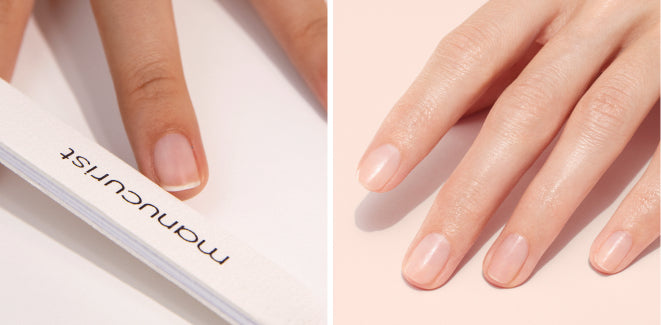
Careful Nail Shaping Without Damage: A Complete Guide to Healthy, Beautiful Nails
Nail shaping is more than just a beauty routine—it is a delicate process that determines the strength, appearance, and long-term health of your nails. When done incorrectly, it can lead to splitting, thinning, peeling, and even painful damage to the nail bed. However, with the right techniques and tools, you can achieve beautifully shaped nails without compromising their health.
Understanding the Importance of Gentle Nail Shaping
Your nails are made of keratin, a protein that can become weak if exposed to excessive force or improper filing techniques. Many people make the mistake of aggressively shaping their nails, especially when trying to achieve a trendy style like almond, coffin, or stiletto shapes. This often results in weakened nail edges that are prone to breakage.
Careful nail shaping focuses on preserving the natural structure of the nail while refining its appearance. Instead of forcing a shape, the goal is to enhance what is already there.
Choosing the Right Tools
One of the most important steps in safe nail shaping is selecting proper tools. Avoid using low-quality metal files or harsh electric drills unless handled by professionals. Instead, opt for:
- Glass nail files: Gentle on nails and prevent splitting
- Fine-grit emery boards (180–240 grit): Ideal for natural nails
- Buffer blocks: Used for smoothing rather than shaping aggressively
- Cuticle pushers: Help maintain clean nail edges without cutting too deeply
Using the right tools reduces friction and minimizes damage during the shaping process.
The Correct Filing Technique
The way you file your nails is just as important as the tool you use. Always file in one direction rather than a back-and-forth sawing motion. The sawing technique weakens the nail edge and increases the risk of peeling.
Start from the outer edge of the nail and gently move toward the center. Work slowly and check your progress frequently to avoid over-filing. It is also best to keep nails slightly dry before shaping, as wet nails are more flexible and easier to damage.
Selecting the Right Nail Shape
Not all nail shapes suit every nail type. Choosing a shape that complements your natural nail bed reduces stress on the nails.
- Round nails: Best for weak or short nails
- Square nails: Suitable for strong nail beds
- Oval nails: Balanced and natural-looking
- Almond nails: Elegant but require careful maintenance
Avoid forcing sharp or extreme shapes if your nails are naturally fragile.
Common Mistakes to Avoid
Many nail problems come from simple mistakes such as:
- Over-filing the sides of the nail
- Using overly coarse files
- Cutting cuticles too deeply
- Shaping nails too frequently without giving them time to recover
These habits weaken nails over time and slow down natural growth.
Aftercare for Stronger Nails
After shaping, always moisturize your nails and cuticles using oils or nourishing creams. This helps https://ravennanailsgeneva.com/ restore hydration and flexibility. Applying a strengthening base coat can also protect the nail surface from daily wear and tear.
Additionally, maintaining a balanced diet rich in biotin, protein, and vitamins supports healthy nail growth from within.
Conclusion
Careful nail shaping is a combination of patience, proper technique, and the right tools. By avoiding aggressive filing and focusing on nail health first, you can achieve elegant, long-lasting results without causing damage. Healthy nails are always the foundation of beautiful nails, and with consistent care, they will remain strong and naturally stunning.